
For many people, hearing aids make a significant difference to everyday life by improving communication, confidence, and overall quality of life. However, one common issue that many hearing aid users experience is excessive ear wax build-up.
While ear wax is completely natural and plays an important role in protecting the ears, wearing hearing aids can sometimes interfere with the ear’s self-cleaning process. Over time, this may lead to impacted wax, reduced hearing aid performance, and discomfort.
At Staffordshire Microsuction, we regularly help hearing aid users across Stoke-on-Trent and Staffordshire safely manage ear wax build-up with professional microsuction ear wax removal.
In this guide, we’ll explain why hearing aid users are more likely to experience ear wax problems, how to reduce the risk, and when it’s time to book a professional appointment.
Why Do Hearing Aid Users Experience More Ear Wax?
Your ears naturally produce wax to protect the ear canal from dust, dirt, bacteria, and other small particles. Normally, old wax gradually moves towards the outer ear where it falls away naturally.
However, wearing a hearing aid changes this natural process.
Because a hearing aid sits inside or close to the ear canal, it can reduce airflow and make it more difficult for ear wax to move out naturally. Instead, wax may collect around the device or become pushed further into the ear canal over time.
This doesn’t mean hearing aids cause ear wax, but they can make wax build-up more likely.
Common Problems Caused by Ear Wax and Hearing Aids
When excessive ear wax develops, it can affect both your hearing and the performance of your hearing aids.
Common issues include:
- Muffled hearing
- Blocked ears
- Reduced hearing aid volume
- Whistling or feedback noises
- Distorted sound quality
- Hearing aids becoming blocked with wax
- Increased discomfort while wearing hearing aids
Many people assume their hearing aid needs repairing when the real issue is simply excess ear wax.
A professional ear examination can quickly identify whether wax is affecting your hearing.
Signs It’s Time to Have Your Ears Checked
If you wear hearing aids, it’s worth paying attention to changes in your hearing or comfort.
Some common signs include:
- Your hearing suddenly seems worse
- Speech sounds less clear
- Your hearing aid whistles more often
- You need to increase the volume regularly
- Your ears feel blocked
- You experience mild ear discomfort
- You notice more wax around your hearing aids
These symptoms don’t always mean your hearing aid has developed a fault. In many cases, impacted ear wax may be contributing to the problem.
Simple Ways to Reduce Ear Wax Build-Up
Although you can’t completely prevent ear wax production, there are several simple habits that may help reduce excessive build-up.
Keep Your Hearing Aids Clean
Clean your hearing aids regularly according to the manufacturer’s guidance.
Removing visible wax from the device helps maintain sound quality and reduces the chance of blockages.
Always use the cleaning tools recommended for your hearing aid model.
Avoid Putting Objects Inside Your Ears
Many people attempt to clean their ears using cotton buds or similar objects.
Unfortunately, this often pushes wax deeper into the ear canal, making the problem worse.
Instead, only clean the outer part of your ear with a soft cloth and leave the inside of the ear canal alone.
Monitor Changes in Your Hearing
If your hearing changes suddenly, don’t assume your hearing aid is no longer working properly.
Ear wax build-up is one of the most common reasons for a noticeable drop in hearing, particularly for hearing aid users.
Booking an ear examination can help identify the cause quickly.
Consider Regular Ear Checks
Some hearing aid users naturally produce more ear wax than others.
If you’ve experienced repeated wax blockages in the past, routine ear examinations may help identify build-up before it begins affecting your hearing.
Regular monitoring can also reduce the likelihood of unexpected hearing problems.
Why Professional Ear Wax Removal Is Important
When wax becomes impacted, trying to remove it yourself can often make the situation worse.
Home remedies such as:
- Cotton buds
- Ear candles
- Hair grips
- DIY wax removal tools
can push wax deeper into the ear canal or cause unnecessary irritation.
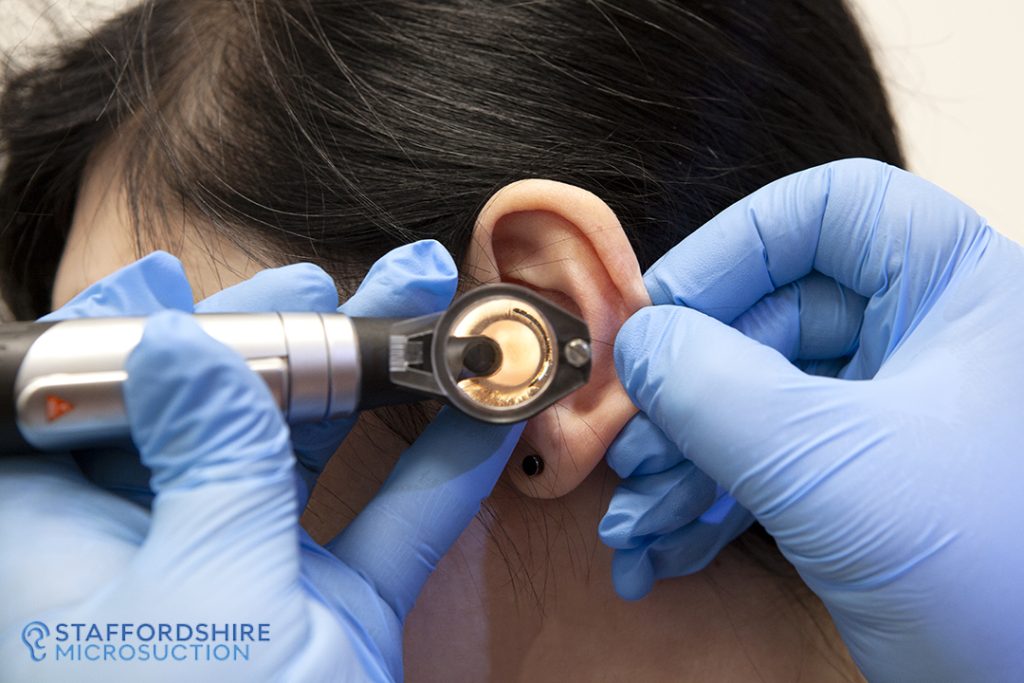
Professional ear wax removal allows the ear canal to be examined carefully before treatment begins.
This helps ensure that wax is removed safely while protecting the delicate structures inside the ear.
To learn more about our professional ear wax removal service, visit:
https://staffordshiremicrosuction.co.uk/ear-wax-removal-stoke/
Why Microsuction Is an Excellent Choice for Hearing Aid Users
Microsuction is one of the most widely used methods of professional ear wax removal across the UK.
During treatment, a clinician uses specialist suction equipment while viewing the ear canal clearly throughout the procedure.
This provides a controlled and precise method of removing impacted wax.
Some of the benefits include:
- No water used during treatment
- Clear visibility throughout the procedure
- Suitable for many hearing aid users
- Effective for stubborn wax
- Comfortable appointments
- Quick treatment times
Many patients notice an immediate improvement in hearing once the blockage has been removed.
Learn more about our microsuction service:
https://staffordshiremicrosuction.co.uk/ear-microsuction-stoke/
Looking After Your Hearing Aids After Ear Wax Removal
Once your ears have been professionally cleaned, it’s important to continue caring for your hearing aids.
Helpful habits include:
- Cleaning your hearing aids daily
- Replacing wax guards when required
- Storing hearing aids in a clean, dry place
- Following your audiologist’s maintenance advice
- Booking ear checks if symptoms return
Keeping both your ears and hearing aids in good condition can help improve long-term hearing performance.
Home Visit Ear Wax Removal Across Staffordshire
For patients who are unable to attend the clinic, Staffordshire Microsuction also provides mobile ear wax removal appointments.
Our home visit service is particularly popular with:
- Elderly patients
- Hearing aid users with mobility difficulties
- Care home residents
- Patients recovering from illness
- Anyone who prefers treatment at home
Our experienced team provides the same professional standard of care in the comfort of your own home.
Find out more about our mobile ear wax removal service:
https://staffordshiremicrosuction.co.uk/mobile-ear-wax-removal-stoke/
Why Choose Staffordshire Microsuction?
Patients throughout Stoke-on-Trent and Staffordshire trust Staffordshire Microsuction for safe, professional ear care.
We offer:
- Professional microsuction ear wax removal
- Experienced ear care practitioners
- Careful ear examinations
- Friendly and welcoming service
- Comfortable appointments
- Mobile home visit options
- Modern ear care techniques
Whether you’re experiencing blocked ears or your hearing aids aren’t performing as expected, we’re here to help you receive the care you need.
Learn more about our team:
https://staffordshiremicrosuction.co.uk/about/
Frequently Asked Questions
Do hearing aids cause ear wax?
No. Hearing aids do not create ear wax, but they can interfere with the ear’s natural cleaning process, making wax build-up more likely.
How often should hearing aid users have their ears checked?
This varies from person to person. Some people may only need occasional appointments, while others who produce more ear wax may benefit from regular professional ear examinations.
Can ear wax affect hearing aid performance?
Yes. Excessive ear wax can block sound, reduce hearing aid effectiveness, and sometimes cause feedback or distorted audio.
Is microsuction suitable for hearing aid users?
Yes. Microsuction is a safe and effective method of ear wax removal when performed by a trained professional and is commonly recommended for hearing aid users.
Conclusion
Hearing aids can greatly improve your quality of life, but they also make it more important to pay attention to your ear health. Excessive ear wax can affect both your hearing and the performance of your hearing aids, making everyday communication more difficult.
By keeping your hearing aids clean, avoiding unsafe home cleaning methods, and arranging professional ear checks when needed, you can help reduce the risk of impacted ear wax.
At Staffordshire Microsuction, we provide safe and effective microsuction ear wax removal for hearing aid users across Stoke-on-Trent and Staffordshire. If you’re noticing blocked ears, reduced hearing, or problems with your hearing aids, our experienced team is here to help you hear clearly and comfortably once again.